
Stanford Logo Jinxin (Ricardo) Li

Home

About Me

Hey there! I'm Jinxin (Ricardo) Li, someone who loves exploring life through creativity and staying active. Music has always been a big part of my life, and playing the guitar helps me relax and express myself in ways words can't. I also enjoy sports like soccer, pool, and table tennis—whether it's a casual match with friends or sharpening my skills, I'm always up for some friendly competition.

I believe in making the most out of every moment, whether I'm playing music, enjoying a good game, or finding new ways to challenge myself. Life's a journey, and I'm all about exploring it with energy and passion.

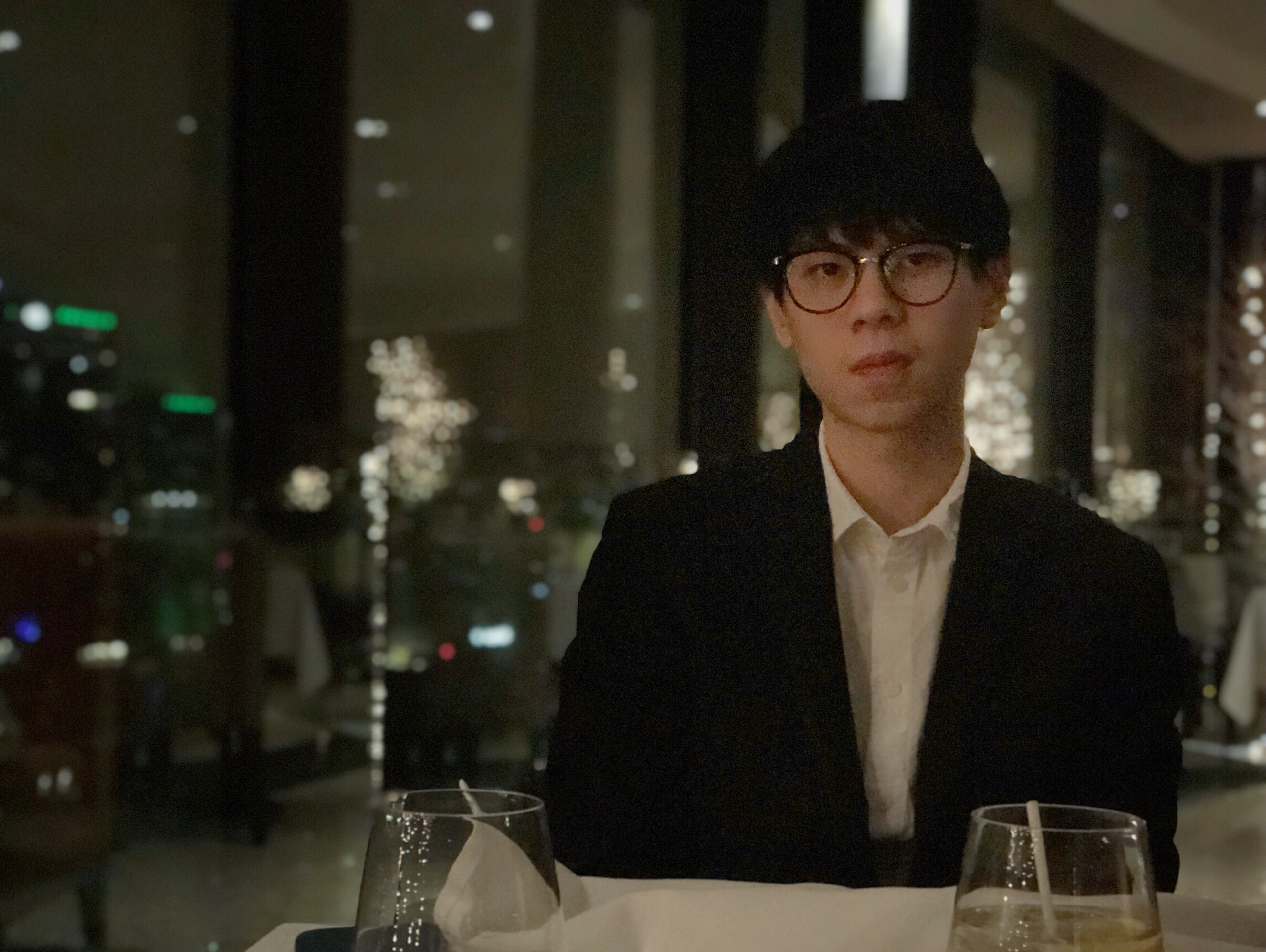
Jinxin Li - Personal Image

Highlight Works

Humanoid Robot Simulation, Perception, and Control

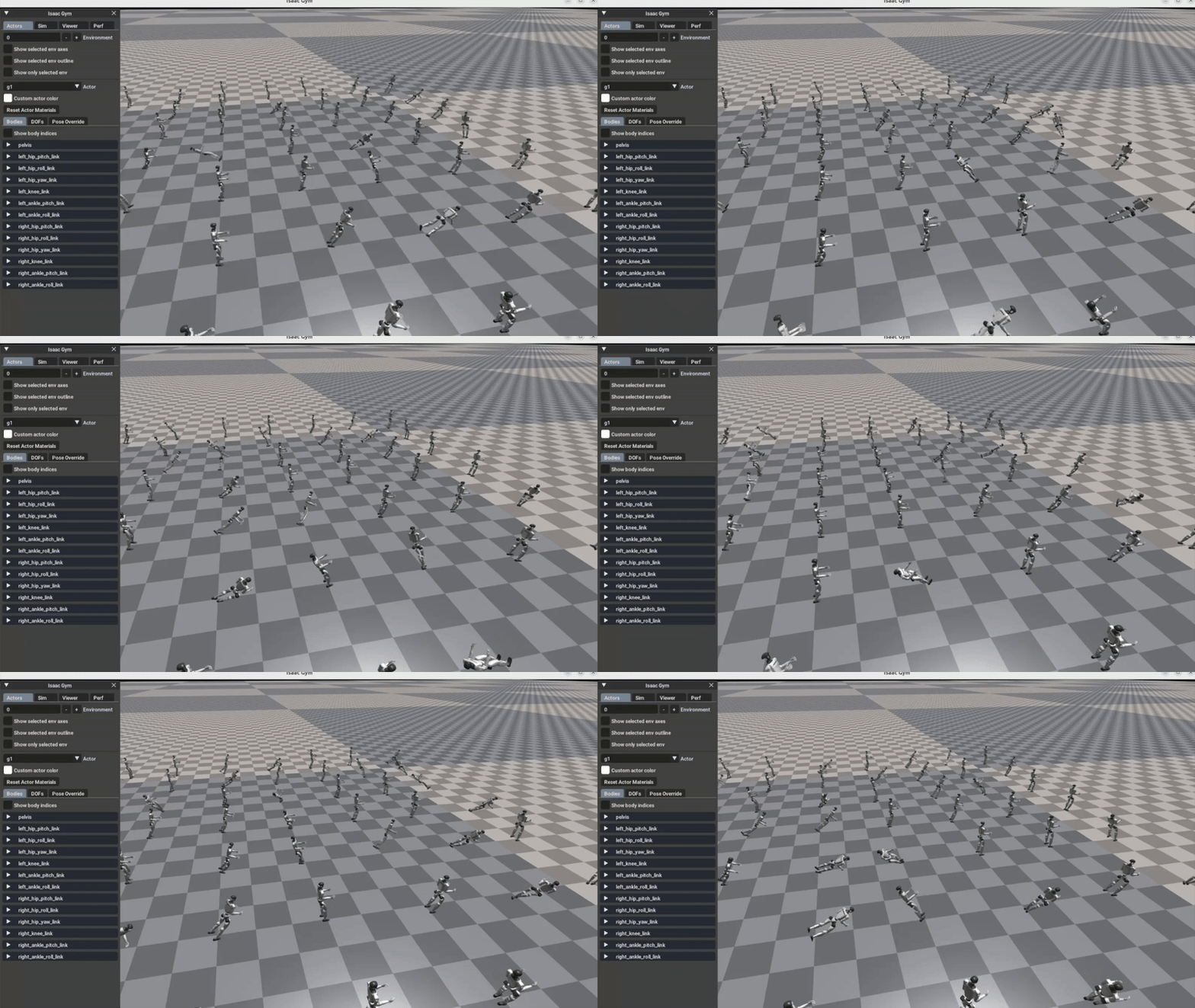
Designed and implemented bipedal locomotion control for the G1 humanoid robot using PPO-based reinforcement learning in Isaac Gym and MuJoCo, achieving stable walking in simulation and Sim2Real deployment.

Built a complete SLAM and navigation pipeline in ROS and Gazebo: Lidar-based mapping (Fast-LIO2, NDT, GICP), localization, global path planning (A*), local obstacle avoidance (DWA), and autonomous exploration (TarePlanner, FarPlanner).

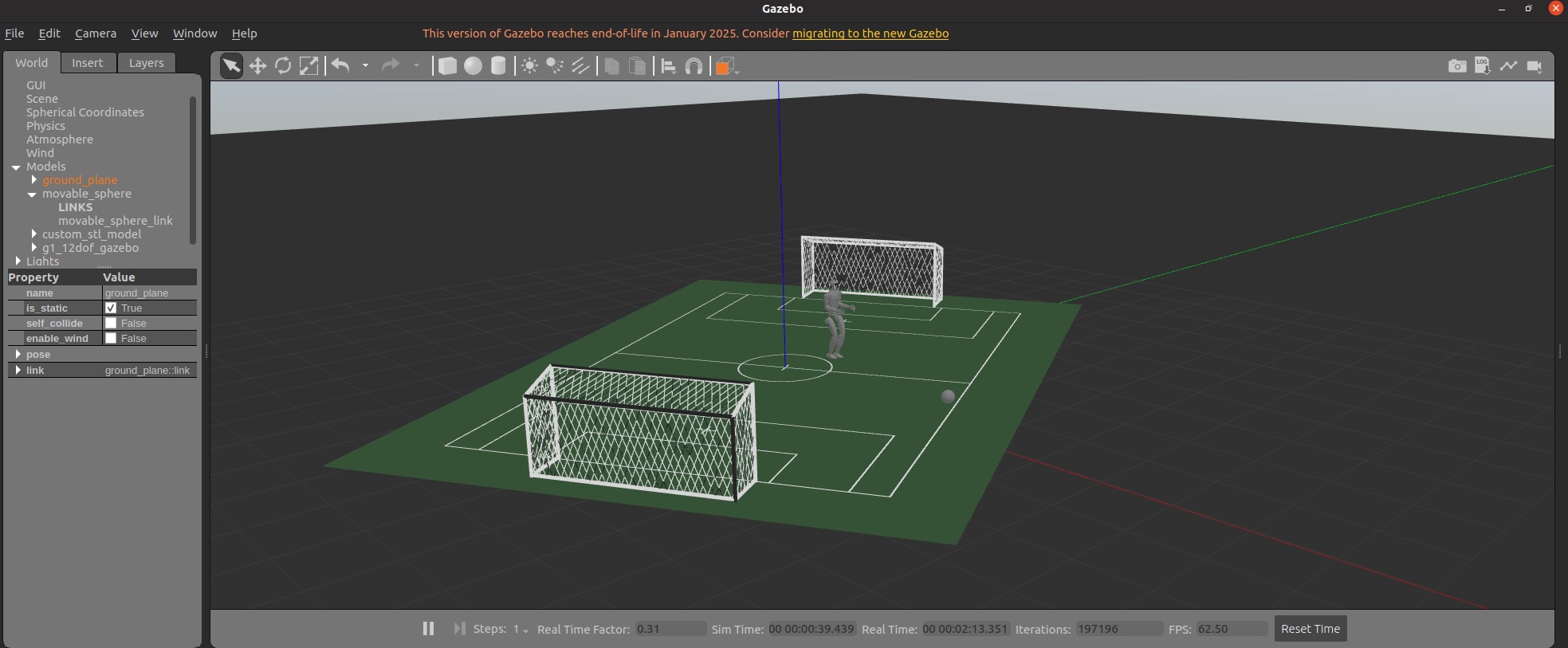
Developed YOLOv11-based object detection for RoboCup simulation, recognizing football, goalposts, and field markings; integrated with visual-space localization and EKF sensor fusion for autonomous kicking tasks.

Created a voice-interactive navigation system leveraging large language models (LLMs) and NaVid for indoor semantic navigation.

Tools & Skills: ROS, Gazebo, Isaac Gym, MuJoCo, Python, PyTorch, YOLOv11, SLAM, path planning, reinforcement learning, sensor fusion, Sim2Real.
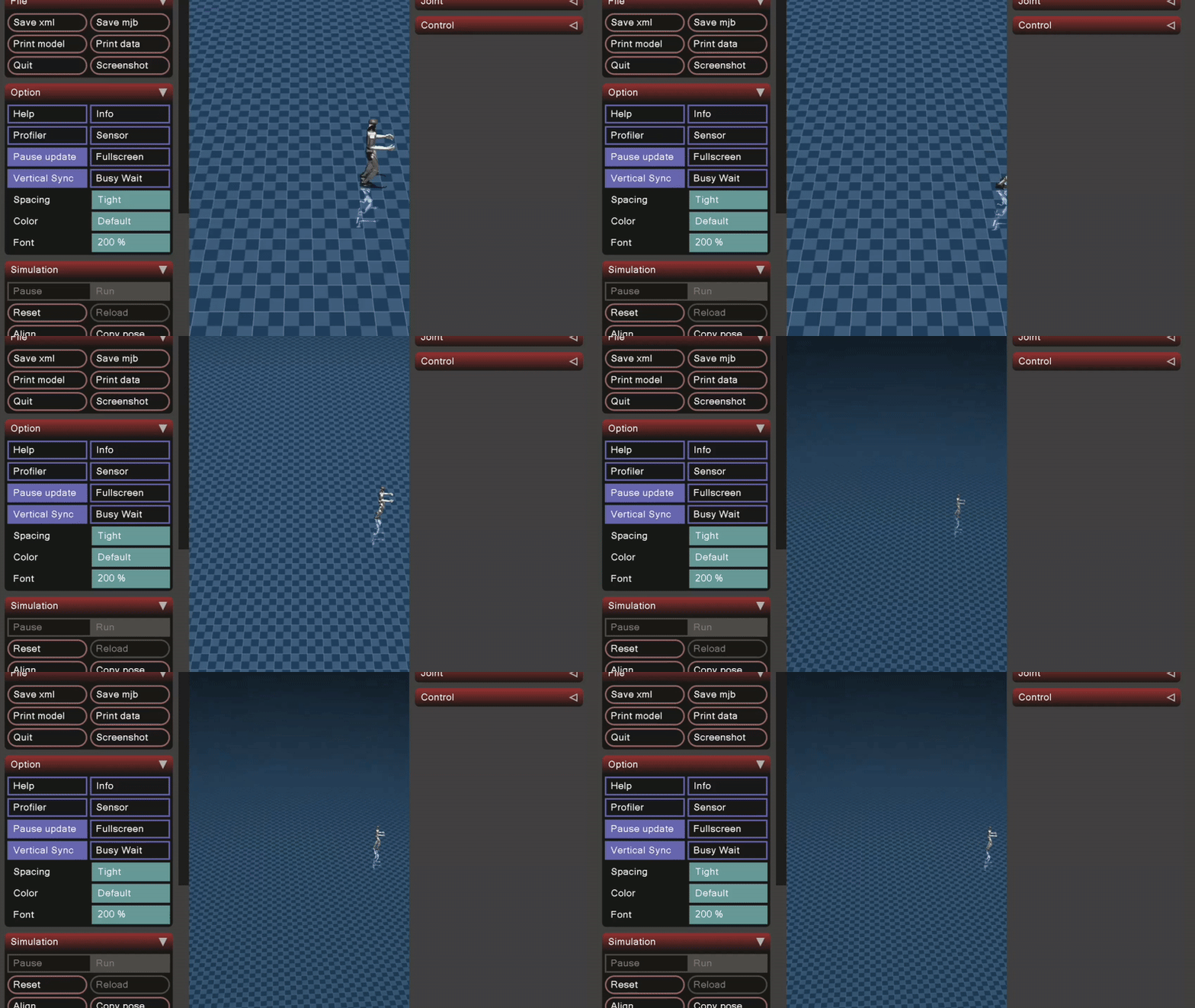
MuJoCo Humanoid Simulation
Isaac Gym Simulation
RoboCup Simulation
RoboCup Simulation

Flying Vine Robot Research (Charm Lab at Stanford)

The Flying Vine Robot integrates drone technology with soft robotics to tackle navigation and manipulation challenges in constrained environments, such as pipelines and caves. This pneumatically actuated soft robot, mounted on a drone, autonomously navigates tight spaces and performs tasks like object manipulation.

Key features:

  • SLAM for scene reconstruction
  • Object detection for target identification
  • Control strategies: Reinforcement Learning, LQR, and optimal control

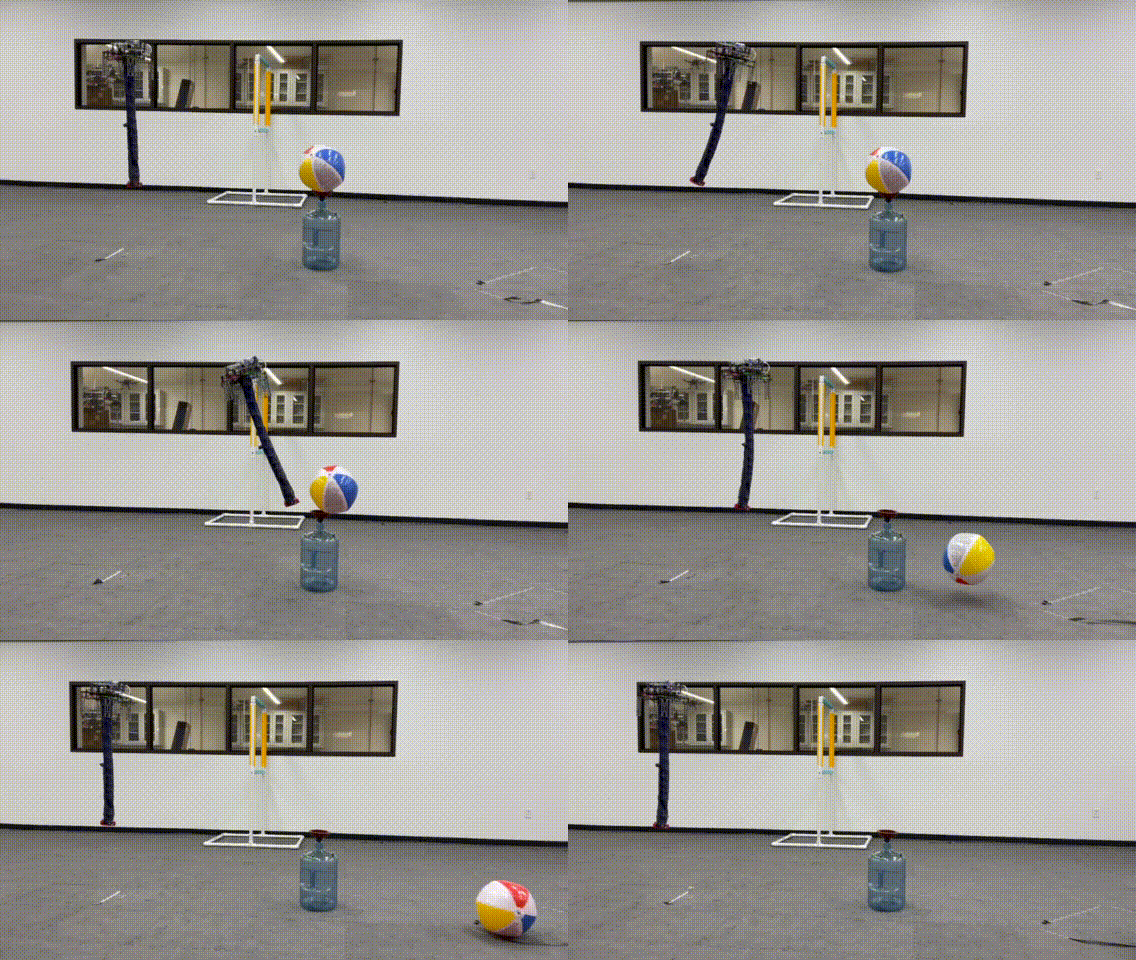
While RL and LQR faced limitations, such as inconsistent learning and excessive control inputs, the optimal control method yielded reliable results, successfully completing tasks like swinging into a pipe and hitting a ball. These advancements highlight the robot's potential for real-world applications in industrial maintenance and rescue missions.

Entering a pipe demonstration
Entering a pipe
Kicking a ball demonstration
Kicking a ball

PyBullet Robotics Manipulator Simulation and Machine Learning Engineer

In this role, I developed a PyBullet simulation environment for a UR5 robot, facilitating efficient execution of pick-and-place tasks, including complex object transfers between bins. I implemented inverse kinematics for motion planning, ensuring accurate and reliable object manipulation. Additionally, I designed a visual affordance model using convolutional neural networks (CNNs) for grasp detection and pose estimation, enabling the robot to handle both familiar and novel objects. To further enhance performance, I integrated machine learning algorithms focused on improving the robot's grasp success rate, incorporating obstacle avoidance and memory-based failure suppression strategies.

Video: PyBullet Robotics Manipulator Simulation Demonstration

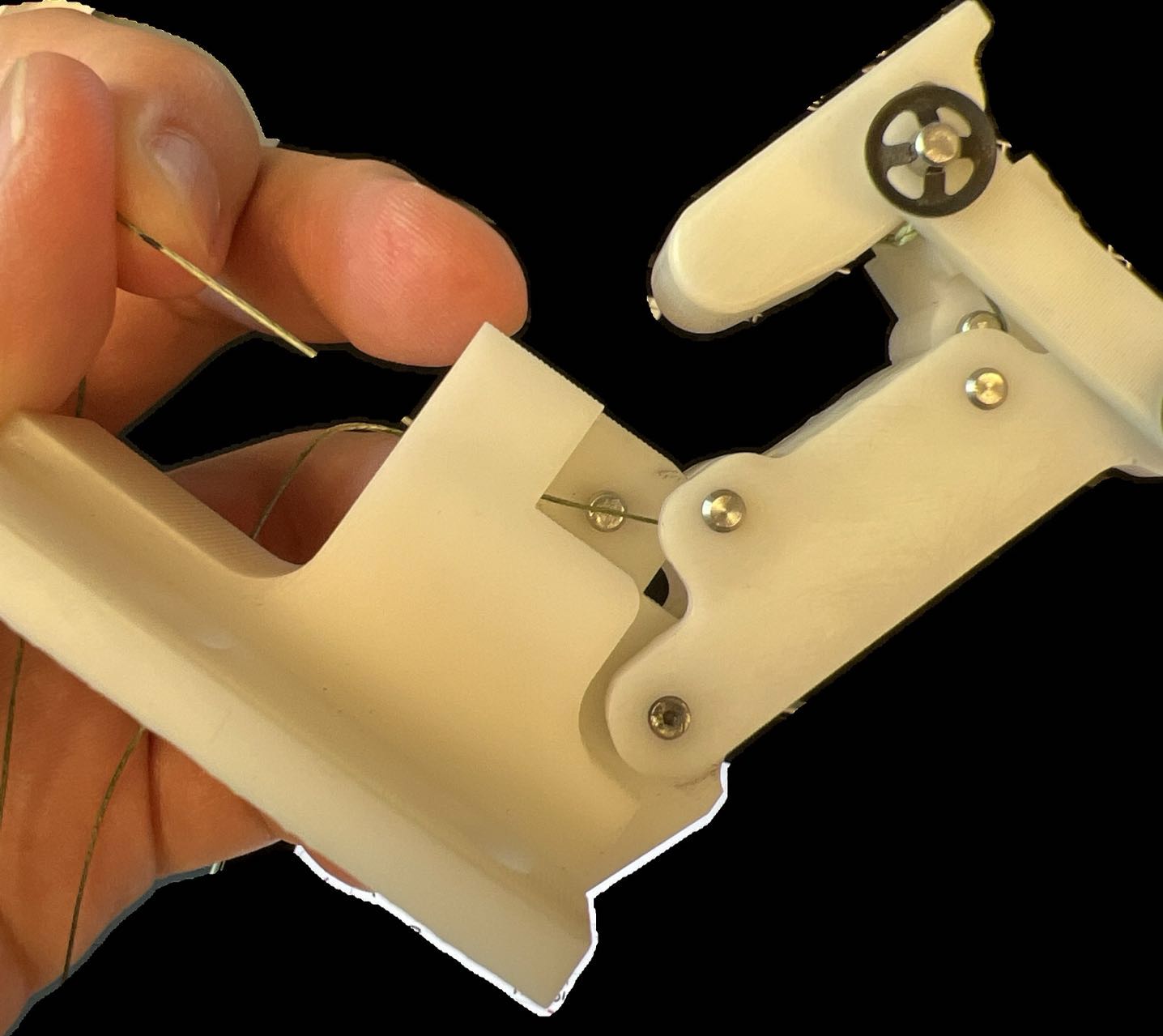
Prosthetic Finger Design Research (Precision Lab at UMich)

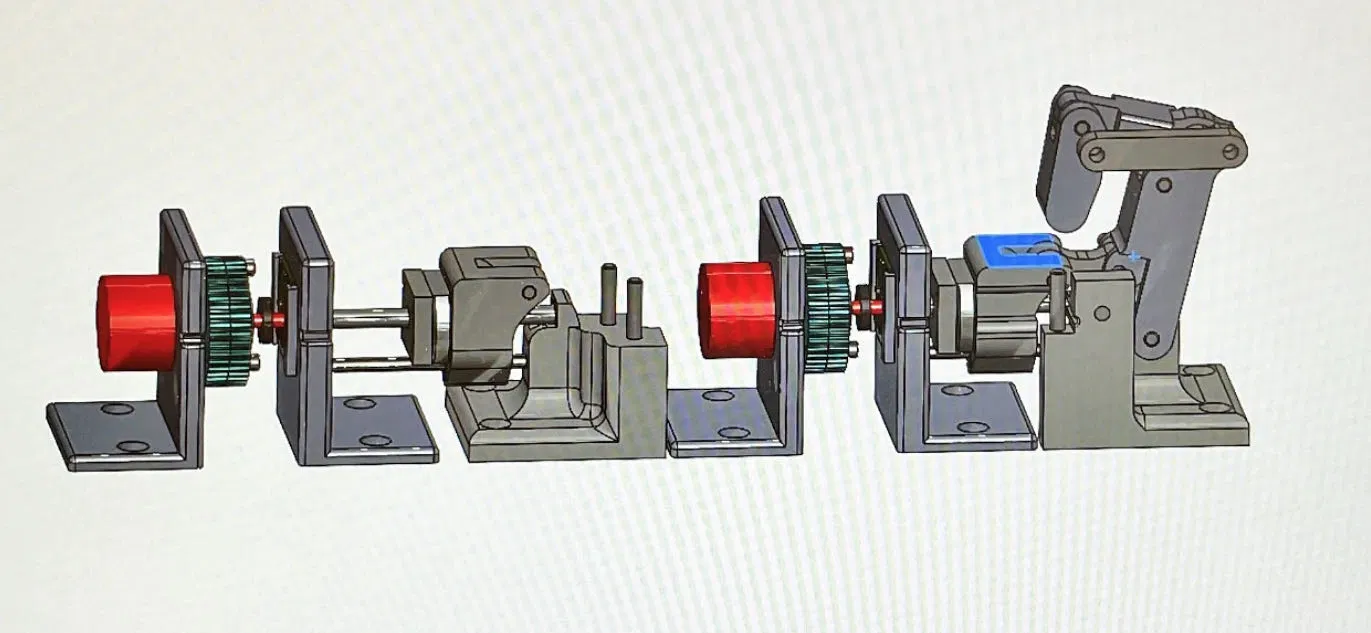
This project focuses on designing a prosthetic finger that can mimic the functionality of a human thumb, allowing for a more natural and intuitive grip. The design incorporates a combination of passive and active components to achieve a range of motion and force sensing capabilities.

Key features:

  • Passive joints for basic movement
  • Active tendon actuation for enhanced control
  • Force sensors for tactile feedback

The prosthetic finger was tested with various tasks, demonstrating its ability to grasp and manipulate objects with precision and dexterity. The design also allows for easy customization and adjustment to accommodate individual needs and preferences.

Prosthetic Finger Design
Prosthetic Finger in Action

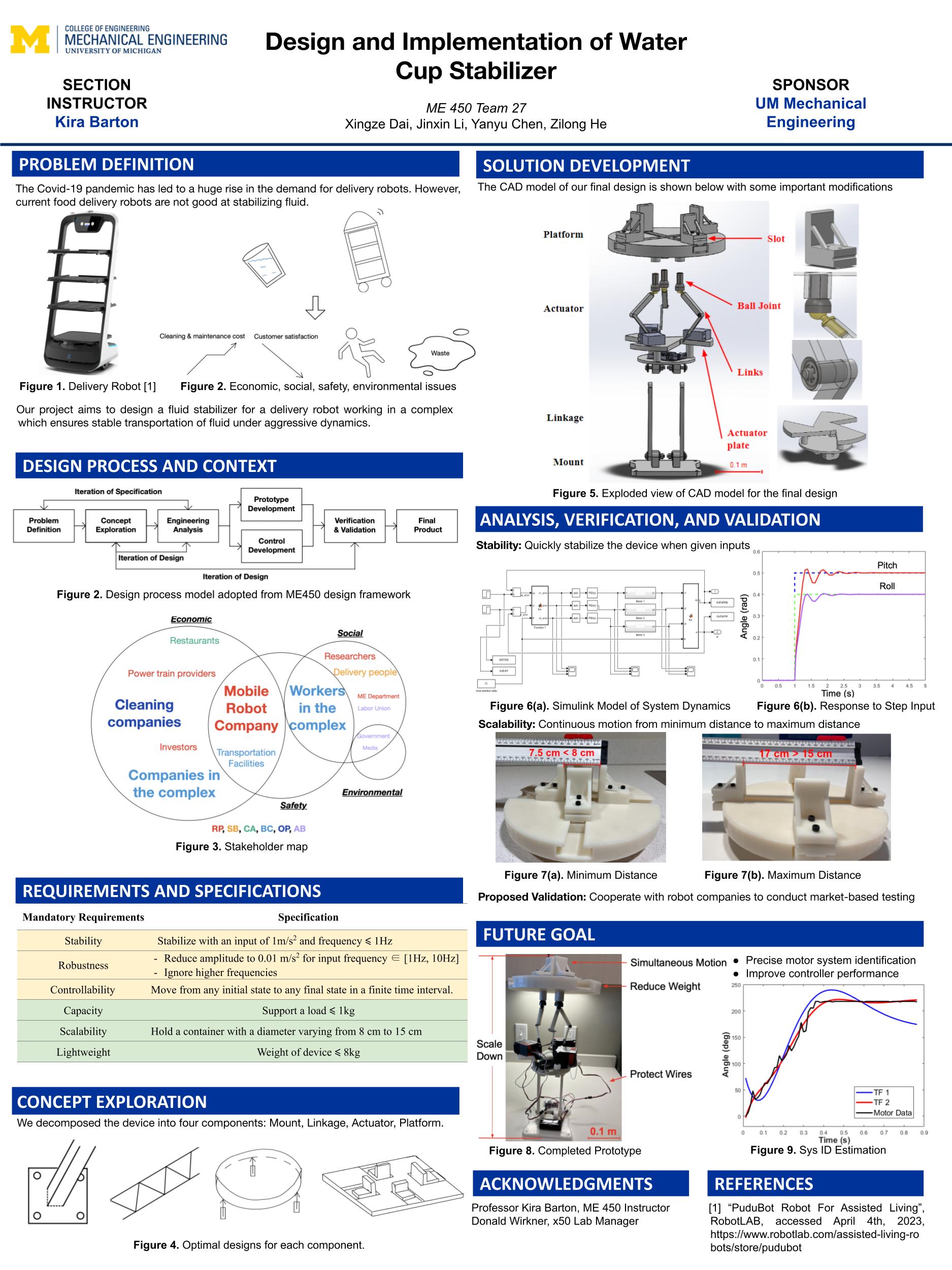
Water Cup Stabilizer Project (Capstone Project at UMich)

This project addresses the challenge of stabilizing liquids during transportation by delivery robots, where fluid inertia often leads to spills and destabilization. The Water Cup Stabilizer is designed using a programmable gimbal platform and a control algorithm to counteract disturbances.

Key features:

  • Active link control system
  • Active 3-DOF servo control
  • Integrated control algorithm

The stabilizer's design was verified through simulations and physical testing, showing promising results in maintaining stability even under acceleration and vibration, making it an ideal solution for food delivery services.

Stabilizer Design
New Stabilizer Design
Prototype Demonstration
Simulation in Action

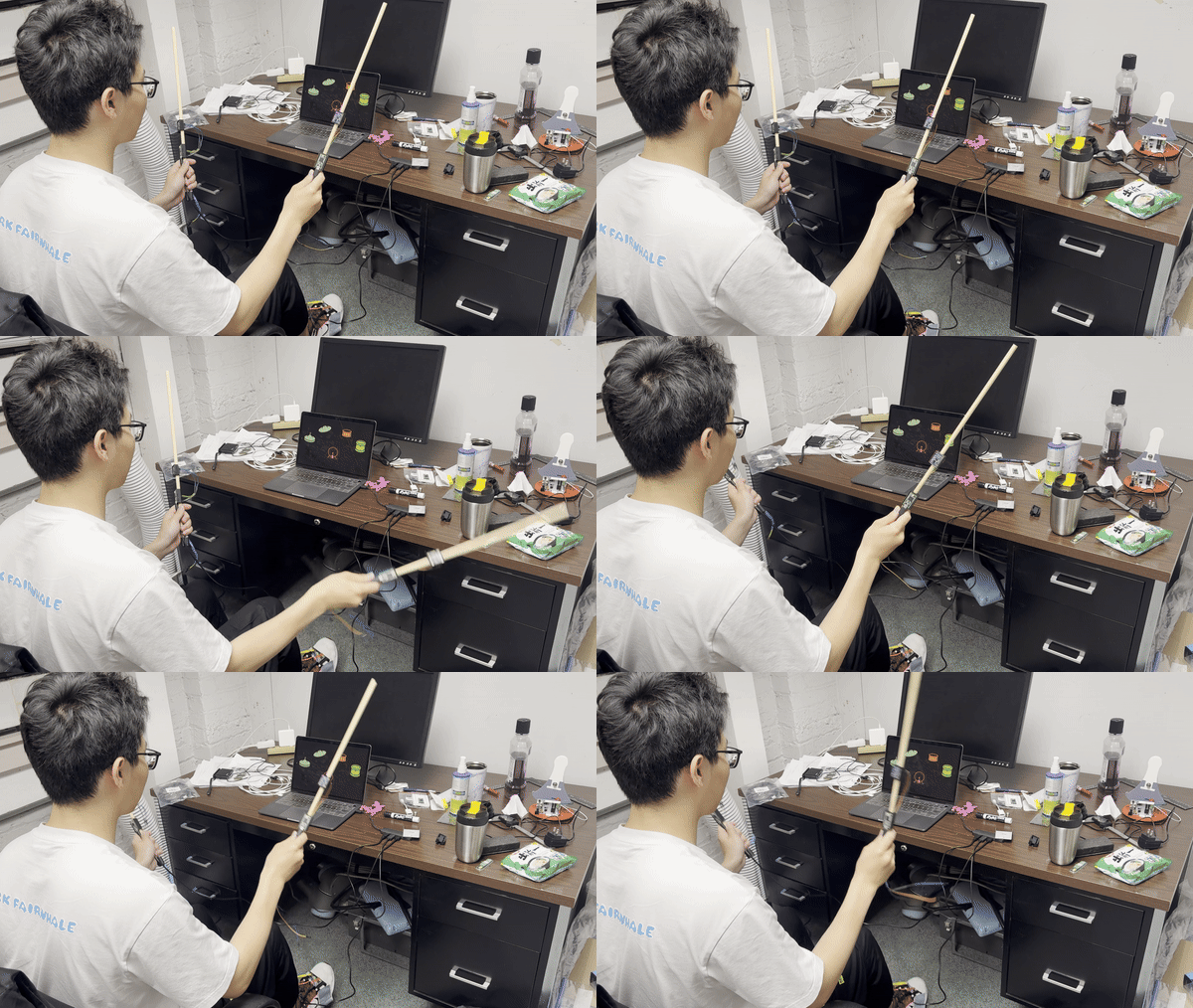
Whiplash: Virtual Drumstick Project (ME 327 project at Stanford)

Whiplash is a set of haptic devices designed to transform any stick into a virtual drumstick, offering users a realistic drumming experience without the need for a traditional drum set. The system uses 9-axis Inertia Measurement Units (IMUs), vibration motors, and Teensy 3.2 microcontrollers to provide tactile feedback, mimicking the feel of hitting a drum.

Website Link

Key features:

  • Haptic feedback technology for realistic drum feel
  • 9-axis IMUs for precise motion tracking
  • Teensy 3.2 microcontrollers for real-time processing
  • Low-cost and highly accessible design

By incorporating haptic feedback technology, Whiplash allows drummers to practice and play in a low-cost, highly accessible manner while receiving real-time sensory feedback. The project aims to address the limitations of current virtual drum solutions, offering an affordable alternative that replicates the precise control and intensity felt in actual drumming, ideal for musicians of all skill levels.

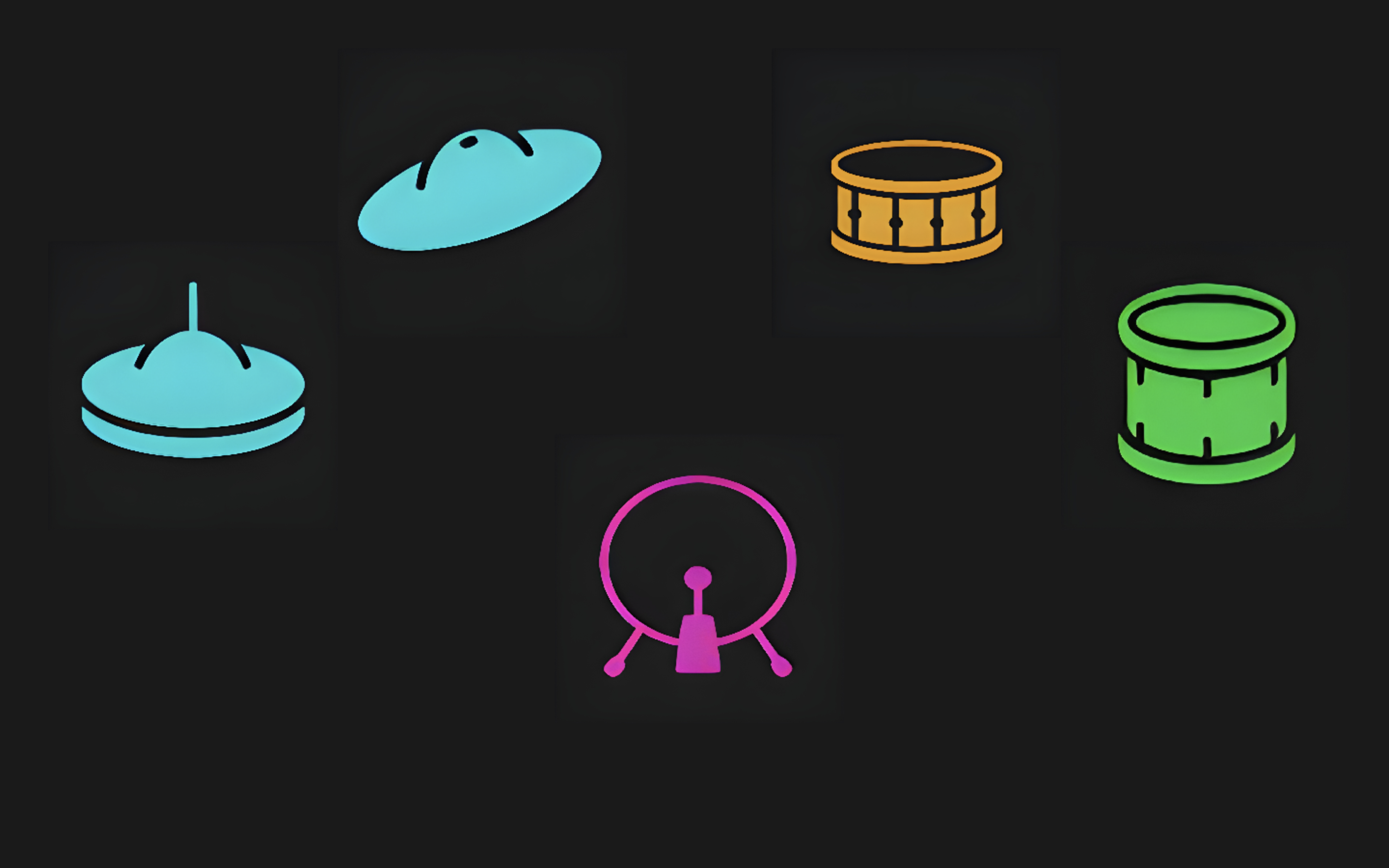
Whiplash User Interface
Whiplash Demonstration
Whiplash in Action

Contact

Get in Touch

I'm always open to new opportunities and collaborations. Feel free to reach out!

Email: lijinxin@stanford.edu